

The Role of Luck in Casino Games
Luck is often the first thing that comes to mind when discussing gambling experiences. In many casino games, such as slot machines and roulette, outcomes are determined entirely by chance. Players frequently feel as though their fortunes are dictated by the whims of luck. While it is true that luck plays a significant role in individual outcomes, it is essential to recognize that it is not the only factor influencing a player’s success, especially when considering options like the best online pokies australia real money that can provide more strategic opportunities. Understanding this multifaceted nature of luck can enhance the overall gaming experience.
For instance, in games like poker or blackjack, luck might influence the initial cards dealt to players. However, skilled players can leverage their knowledge and experience to make better decisions throughout the game. This interplay between luck and skill emphasizes the complexity of casino experiences, suggesting that while luck is an undeniable factor, it does not operate in isolation. Gamblers who comprehend this dynamic are better equipped to approach their gaming experiences more strategically.
Furthermore, the concept of luck can vary widely based on individual perception and belief. Some players may develop rituals or superstitions they believe help them harness luck, such as wearing specific clothing or carrying lucky charms. This psychological aspect can enhance their overall experience in a casino, regardless of whether it has any actual bearing on the outcome. As such, luck intertwines with personal beliefs and strategies, ultimately shaping the overall gambling experience.
The Illusion of Control in Casino Gambling
The phenomenon known as the illusion of control is prevalent among casino players, who often believe they can influence the outcome of a game through their actions. This belief is particularly strong in games like dice and card games, where players feel their choices can sway luck in their favor. However, the reality is that these games are designed with randomness at their core, meaning the outcomes are predominantly out of the players’ hands. Recognizing this can lead to a more grounded approach to gambling.
This illusion can enhance the gaming experience, as players enjoy feeling that they are actively participating in their fate. For example, a player may adopt a specific betting strategy or method, convinced that it will yield better results. While there may be short-term successes, in the long run, the games will revert to their expected randomness. Understanding this illusion can help players manage their expectations and avoid excessive losses, allowing them to enjoy the experience without the burden of unrealistic hopes.
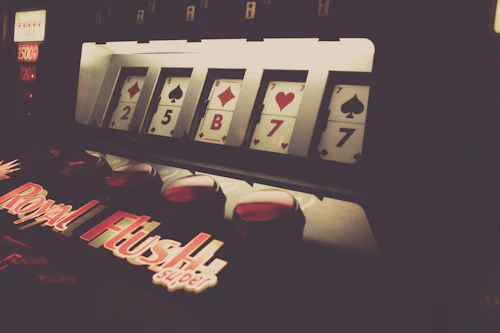
Ultimately, it is crucial to understand that luck is not something that can be controlled or manipulated. While players might believe their strategies can alter fortunes, it is vital to remember that casino games operate under strict mathematical laws. Accepting this fact can lead to a more balanced approach to gambling, enabling players to enjoy the thrill of chance while remaining mindful of responsible gaming practices. By recognizing the limitations of control, players can focus on the enjoyment of the game rather than the false hope of mastery.
The Impact of Environment on Luck
The atmosphere of a casino can significantly influence a player’s perception of luck. Casinos are meticulously designed to create excitement and engagement, utilizing lights, sounds, and layouts that heighten the gaming experience. When players enter a bustling casino filled with the sounds of spinning reels and cheerful winners, they often feel a stronger sense of optimism and luck. This vibrant environment can inadvertently enhance their gaming experience, making them more willing to take risks in hopes of capitalizing on a perceived lucky streak.
Additionally, the presence of other players can contribute to a feeling of shared luck. Many gamblers enjoy the communal aspect of playing in a lively setting, where they cheer each other on during exciting moments. This social interaction can create a positive feedback loop, boosting morale and fortifying the perception of luck. Conversely, a quieter, more solitary environment may lead to feelings of doubt or misfortune, impacting one’s overall enjoyment and success. The dynamics of the crowd can play a significant role in shaping the gambling experience.
Even though the environment can influence one’s mood and attitude toward luck, it’s essential to remain grounded. Players should remember that while the ambiance can enhance their experience, it does not alter the fundamental odds of the games. Understandably, many are led to believe that winning streaks are associated with the right setting, but maintaining a realistic view of luck is vital for responsible play. Balancing excitement with awareness can lead to a more fulfilling casino experience.
Psychological Factors Influencing Luck
The psychology of gambling is a fascinating area that delves into how players perceive luck. Cognitive biases, such as the gambler’s fallacy, can lead individuals to believe that a series of losses will be followed by a win, creating a false sense that luck is about to change in their favor. This kind of thinking can significantly impact how players approach their gaming sessions, often encouraging them to engage in riskier bets based on erroneous reasoning. Understanding these psychological traps is crucial for making informed gambling decisions.
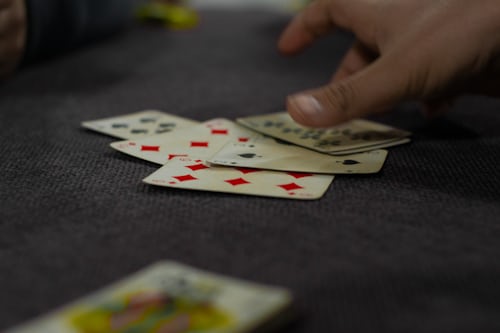
Moreover, confirmation bias plays a significant role in how players view their luck. Players often remember their wins while forgetting their losses, reinforcing the belief that luck is consistently on their side. This selective memory can result in a distorted view of their gambling success, leading them to chase losses or continue playing with the hope of reversing their fortunes. Recognizing these psychological factors can help players become more self-aware and mindful of their gaming habits.
Being conscious of these psychological influences allows players to make better decisions at the casino. Rather than succumbing to the whims of perceived luck, individuals can cultivate a more analytical approach to their betting habits. By recognizing cognitive biases, players can take a step back and assess their strategies more objectively. This self-awareness promotes a healthier gaming experience while minimizing the risks associated with gambling. Understanding the psychological landscape of gambling can lead to more enjoyable and responsible play.
Your Guide to Responsible Gambling
Understanding the interplay between luck, psychology, and casino experiences can lead to more informed gambling habits. Responsible gambling is crucial for ensuring that players can enjoy their time at the casino without falling into common traps associated with luck and risk. Establishing limits on time and money spent is essential for maintaining a balanced perspective on one’s gaming experience. By setting boundaries, players can enjoy the thrill of gambling while safeguarding their financial and emotional well-being.
Moreover, educating oneself on the odds and probabilities of different games empowers players to make more informed choices. Recognizing that luck is just one part of a larger equation can help individuals appreciate the thrill of gambling while being aware of the potential for loss. This understanding can transform the often emotionally charged experience of gambling into one of enjoyment and entertainment. Knowledge of the games can also lead to more strategic play, enhancing the overall experience.
Ultimately, casinos should be places of enjoyment and excitement. By focusing on responsible gambling and understanding the role of luck, players can create a more positive experience for themselves. Engaging with the game in a balanced manner, recognizing the limits of luck, and embracing the thrill of chance will lead to a more satisfying casino experience. Encouraging responsible practices can foster a healthier relationship with gambling, ensuring that it remains a source of fun and entertainment.